A personal page for lawyers
Lawyers are judged on judgement, and so is their page. Clear practice areas, honest credentials and an easy way to reach you work better than slogans. In many places the rules on what a lawyer may say publicly are strict, so restraint is also compliance.
What your page should include
- Practice areas, stated plainly
- Bar enrolment or admission details
- Education and notable experience, factual and verifiable
- Publications, talks and articles you've written
- A contact form that doesn't invite confidential details
Sections that work
Practice areas → Experience → Publications → Office & contact → Disclaimer
Looks to start from
Editorial or Ink: serious, typographic, quiet. Ivo can restyle any of them to your colours.
How clients choose a lawyer
Most legal work still comes through referrals: another lawyer, an accountant, a former client, a friend. Corporate clients add directories and rankings. Individuals with an urgent problem search, then read two or three pages before calling. In every case, the client is trying to judge competence and trustworthiness without being able to evaluate the law. Your page has to make that judgement easy, with facts.
The rules come first
Legal advertising is restricted in many jurisdictions, and the rules vary widely. In India, Rule 36 of the Bar Council of India Rules prohibits advocates from advertising or soliciting work, though since 2008 advocates may publish a website with factual details such as name, contact information, enrolment number, qualifications and areas of practice. In the US, ABA Model Rules 7.1 to 7.3, as adopted by each state, prohibit false or misleading communications and regulate solicitation, and some states add rules on testimonials, specialisation claims and disclaimers. In England and Wales, the SRA Transparency Rules require certain firms to publish price and service information for some services.
This page isn't legal advice on those rules, and you know your obligations better than we do. The practical point is that a featurd page can be as restrained as your rules require: no testimonials, no results, no comparisons, and a disclaimer section at the bottom. Check before you publish.
What to include, within the rules
- Practice areas in plain words: "Commercial contracts and shareholder disputes for startups" rather than "Corporate".
- Enrolment or admission details: bar council, state bar, year of enrolment.
- Education and experience, stated factually: chambers, firms, notable roles.
- Publications, talks and teaching. They demonstrate expertise without advertising.
- Office address and how to reach you, with a map if clients visit.
- Languages you work in, which matter for many clients.
- A disclaimer, where your rules expect one, that the page is for information and isn't legal advice.
Confidentiality and first contact
A web form is not a secure channel. Keep your contact form to name, phone or email and the type of matter, and add a line asking people not to send confidential details until you've confirmed there's no conflict and agreed to act. If you take consultation bookings, use neutral booking questions. Store matter documents in your practice management system, never in a page builder.
Your featurd setup
- Header: name, designation and practice areas; Editorial or Ink keeps it sober.
- Text: "Practice areas" with a sentence on each.
- Experience: chambers, firms and years.
- Links or cards: publications, judgments you can cite publicly, articles and talks.
- Map widget for your chambers or office, free on every plan.
- Book: consultation slots synced with Google Calendar, where your rules allow.
- Contact: the minimal form with the confidentiality line.
- Text: disclaimer and enrolment details.
- Leave out testimonials, results and prices unless your rules clearly permit them.
An example page
Advocate Rahul Menon practises commercial litigation at the Bombay High Court. His page uses Editorial: a serif headline with his name, "Advocate, Bombay High Court · Commercial and arbitration matters", and his Bar Council of Maharashtra and Goa enrolment number. Below, three practice areas, his education and chambers, and eight articles he's written on arbitration. There are no testimonials and no claims about results. A map shows his chambers in Fort, a short form asks only for name, contact and a one-line description of the matter type, and a footer carries the BCI-style disclaimer that visitors confirm they're seeking information of their own accord.
Writing that shows expertise
For many lawyers, the most effective and least controversial way to show expertise is publishing. Short notes on recent judgments, explainers on a new regulation, or a talk at a bar association demonstrate how you think without making claims about results. List them with dates on your page; clients and referring lawyers read them, and they keep the page current.
A subscribe section for a monthly case-law note works for some practices. Check whether your rules treat newsletters as advertising first.
Getting started
Upload your CV or LinkedIn PDF and Ivo drafts a factual page; edit every line for your rules. Pick a look in Explore. If you advise businesses outside practice, like a fractional general counsel, see consultants, and check whether your rules treat that page differently.
Looks to start from
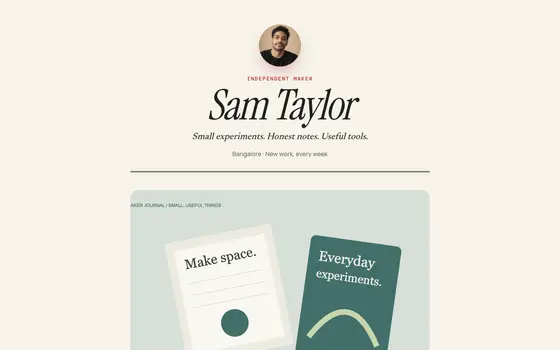 Editorial
Magazine serif with a newsroom grid.
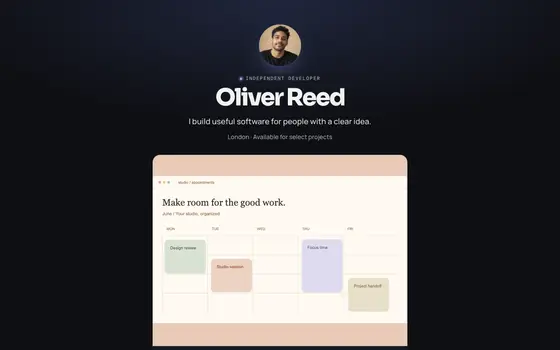 Ink
Quiet, dark and confident.
 Studio
Quiet luxury. Big type, generous space.
See all 36 templates, live pages in Explore, or describe your own and Ivo builds it.
Questions
Can advocates in India have a website?
Yes, within limits. Bar Council of India rules restrict advertising and solicitation; a website with factual information like name, contact details, enrolment and areas of practice is generally allowed. Read the current rules or ask your Bar Council before publishing.
Can lawyers show client testimonials?
It depends on where you're admitted. Some jurisdictions forbid them, others allow them with disclaimers. Check your bar's rules before adding any; featurd lets you leave testimonials off entirely.
Is a featurd contact form safe for legal enquiries?
Treat it as a first-contact form, not a secure channel. Ask for name, contact details and the type of matter only, and add a line telling people not to send confidential details until you've confirmed you can act.