Instagram can be a steady source of freelance clients, but not the way most growth advice suggests. You don't need a big following. You need the right 300 people to see proof of your work, understand what you offer and have an easy way to start a conversation. Here's a 30-day plan that works for designers, photographers, writers, developers and consultants.
Quick steps
- Set up the profile: name field with your service, a clear bio and one link.
- Make a link page with proof, offer, starting price and booking.
- Post three proof-led pieces a week: case studies, before/after, process.
- Spend 20 minutes a day engaging with ideal clients' content.
- Reply to every comment and DM; move serious enquiries to a call.
- Review clicks and enquiries weekly and adjust.
Week 1: Fix the profile
Switch to a professional (creator or business) account so you get insights and contact options. The Name field is searchable, so include your service: "Asha · Brand designer". The bio should say who you help, the result and what to do: "Brand identities for D2C food brands. Launch-ready in 3 weeks. See work + book a call ↓".
Pin three posts: your best case study, a client testimonial and a post explaining how you work. Use highlights for Work, Process and Reviews. Keep the grid focused on the service you want to sell; mixed personal content is fine in Stories.
Week 1: Make the link convert
Your bio link is where a curious visitor becomes a lead. Point it to one page with two or three projects, what you offer with a starting price, a testimonial and a button to book or enquire. A list of six links (Behance, Dribbble, email, WhatsApp, a blog) makes them choose; a page makes the choice for them. See what to put in your link in bio and, if you take calls, adding Calendly to your bio.
Weeks 2 to 4: Post proof, not tips
Tips attract other freelancers. Proof attracts clients. Rotate three formats:
- Case study carousels: the client's problem, your approach, the result, with visuals.
- Before and after: a redesign, an edit, a rewrite.
- Process Reels: 20 seconds of you working, with a caption about the decision you made.
Daily: 20 minutes of genuine engagement
Find accounts of the kind of business you want to work with. Leave useful comments on their posts, reply to their Stories when you have something real to say, and follow the people who run them. Don't pitch in comments. After a few genuine interactions, a short DM offering one specific idea is welcome; a copy-pasted "I can help you grow" isn't. Instagram limits accounts that send many similar messages, so keep it personal and modest in volume.
Handling enquiries
Reply within a few hours if you can. Ask two questions (what they need, by when) and send your link so they can see work and prices. Move serious enquiries to a call or email; DMs are a bad place to scope a project. Afterwards, ask happy clients for a testimonial you can post, which feeds the next round of proof.
Measure weekly
Every Friday, note profile visits, link clicks, enquiries and booked calls. If visits are fine but link clicks are low, rewrite the bio. If clicks are fine but enquiries are low, the link page needs clearer prices or proof. The link in bio analytics guide explains each number.
A DM template that respects people
Only after you've engaged genuinely for a while: "Hi Meera, I've enjoyed your posts on [topic], especially [specific post]. I noticed [specific, small observation about their brand or site]. Here's one quick idea: [one line]. Happy to share more if useful, no pressure." Then stop. No calendar link in the first message, no attachment, no follow-up chain if they don't reply.
Track who you've contacted and when in a simple sheet, and limit yourself to a handful of thoughtful messages a day.
Mistakes that cost freelancers clients
- Posting tips for other freelancers instead of results for clients.
- No prices anywhere, so serious buyers assume you're too expensive and leave.
- A bio link with eight buttons and no clear next step.
- Replying to enquiries days later; the client has hired someone else by then.
- Disappearing for weeks, then posting five times in a day.
What to expect in 30 days
Be realistic: in the first month most freelancers see more profile visits and a few conversations, not a full pipeline. The compounding starts in month two or three, as your proof posts accumulate and the people you've engaged with start to recognise you. Keep the habit going, keep the link current, and treat each finished project as the next post.
How featurd does it
featurd builds the page in step 2 for you from your LinkedIn, resume or portfolio: projects with outcomes, offer and starting price, testimonials and a booking or contact form with your own questions. Enquiries land in a lead inbox. On Pro, visitors can chat with you live, you can sell fixed-scope packages through your own Stripe or Razorpay at 0% fee, and you can send a tracked link to a prospect to see when they opened your proposal page. No promises of followers or reach; just a link that turns visits into conversations.
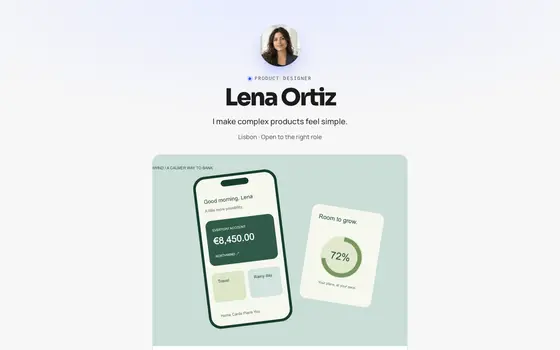 Signal
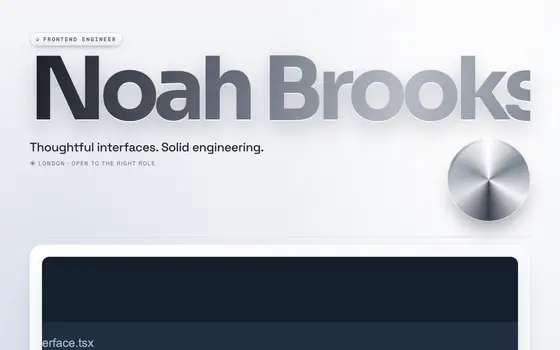 Liquid Chrome
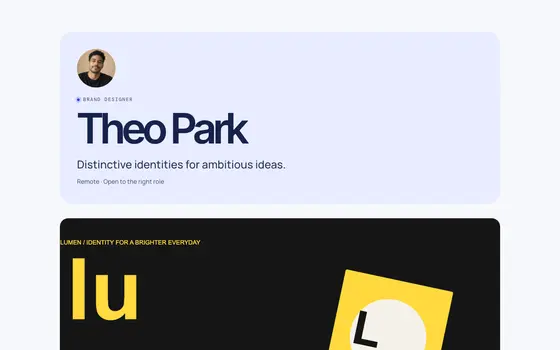 Atelier